
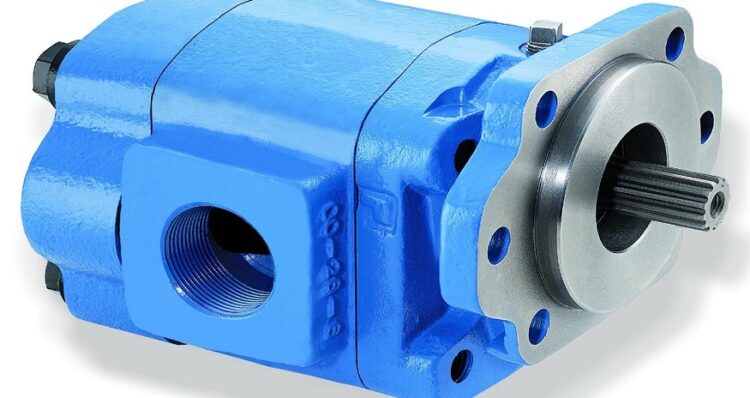
Rotary gear pumps and the Industrial Efficiency They Enable
admin | May 29, 2026 | 1 | Business
564 Views
In the landscape of modern fluid handling, few components provide the consistent, pulse-free flow required for high-precision industrial applications like rotary gear pumps. Whether operating in the chemical, food processing, or petrochemical sectors, the ability to maintain steady volumetric output under varying viscosity levels is a critical operational requirement. As industrial processes become more automated and energy-conscious, the selection and maintenance of these positive displacement pumps have moved from a peripheral concern to a central strategic pillar for facility managers and design engineers.
The Operational Mechanics of Precision Fluid Transfer
At its core, a rotary gear pump functions through a relatively simple but highly effective mechanical principle. By trapping liquid between the teeth of two intermeshing gears—one driving and one driven—the pump creates a vacuum at the inlet port, drawing fluid into the teeth spaces. As the gears rotate, the fluid is carried around the outer circumference of the gear case and is forced out of the discharge port.
This design inherently provides a positive displacement of fluid, meaning that for every rotation of the gear, a precise volume of liquid is moved, regardless of the discharge pressure. This characteristic is invaluable in systems that require accurate dosing or constant pressure monitoring. Unlike centrifugal models, which can experience significant flow degradation as backpressure increases, rotary gear pumps maintain their volumetric efficiency across a wide pressure range, making them the standard choice for viscous media such as resins, oils, polymers, and food-grade syrups.
Choosing the Right Gear Pump Manufacturer for Reliability
Selecting the appropriate equipment is only half the challenge; the long-term success of an fluid handling system relies heavily on the engineering standards of your gear pump manufacturer. Because these systems are frequently integrated into continuous production lines, the cost of failure—measured in downtime, product spoilage, and emergency labor—is high.
When evaluating a gear pump manufacturer, it is important to look beyond the initial purchase price. The maturity of the internal component metallurgy, the precision of the gear tooth tolerances, and the availability of modular configurations are the hallmarks of a provider that builds for long-term reliability. A high-quality gear pump manufacturer will also provide detailed performance curves, material compatibility charts for chemical resistance, and support for seal selection. In demanding environments—such as those involving abrasive slurries or extreme temperatures—the ability to customize internal clearances or apply specialized surface coatings can be the difference between a pump that lasts six months and one that remains in service for years.
Key Considerations for Integration and Performance
Integrating rotary gear pumps into an existing infrastructure requires careful attention to system design. Because they are positive displacement devices, they are sensitive to blocked discharge lines; if the outlet is closed while the pump is running, the pressure will continue to rise until a failure occurs. Consequently, every installation must include robust overpressure protection, such as an integrated relief valve or a standalone bypass circuit, to protect the pump and the surrounding piping.
Read More: When Should You Choose Mainland Over Free Zone?
Furthermore, the viscosity of the pumped medium dictates the optimal operating speed. While rotary gear pumps excel at moving high-viscosity fluids, running them at high RPMs with thick substances can lead to cavitation or excessive shear stress on the fluid. Conversely, low-viscosity fluids may provide insufficient lubrication for the internal gears, increasing the rate of wear. Partnering with an experienced gear pump manufacturer during the specification stage allows engineers to balance these variables, ensuring that the pump operates within its “sweet spot” of efficiency and longevity.
Preventive Maintenance Strategies for Longevity
The maintenance cycle for rotary gear pumps should be proactive rather than reactive. Because they are precision machines, internal wear is a gradual process that can be monitored through performance benchmarking. Key indicators of mechanical wear include increased noise levels, a rise in drive motor amperage, or a noticeable decline in flow rate against a constant pressure.
Routine maintenance should prioritize the following:
- Seal Integrity: The shaft seal is typically the first point of failure. Regular inspections for leakage can prevent damage to the bearing housing.
- Alignment Checks: Even minor misalignments between the pump shaft and the motor coupling can introduce radial loads that accelerate wear on internal bushings and gears.
- Lubrication and Fluid Path Analysis: For applications involving process fluids that contain particulates, installing upstream filtration can significantly extend the life of the gear teeth.
Establishing a predictive maintenance schedule—one that includes periodic vibration analysis and thermal imaging—allows maintenance teams to identify potential issues before they cause unplanned system outages.
Why Precision Engineering Matters in Modern Industry
As industrial facilities strive for tighter tolerances and better energy efficiency, the role of high-performance fluid handling equipment has grown. Modern rotary gear pumps are designed not only for durability but also for clean-in-place (CIP) and steam-in-place (SIP) compatibility, which are essential for industries with strict sanitation requirements.
When you work with a reputable gear pump manufacturer, you gain access to decades of field data and iterative design improvements. This history of refinement means that today’s models are more capable of handling diverse fluid profiles—from non-lubricating chemicals to high-temperature plastics—with minimal deviation in flow accuracy.
Evaluating Your Fluid Handling Infrastructure
Are your current pumps keeping pace with your production demands? For many operations, the transition to high-precision rotary gear technology represents an immediate improvement in process stability. Whether you are upgrading an existing production line or designing a new facility from the ground up, the focus should remain on the synergy between the hardware and the specific demands of the fluid being processed.
Read More: Your Friendly Guide and Checklist of ACA Compliance…
By prioritizing build quality from your gear pump manufacturer and committing to a rigorous installation and maintenance program, you protect the core of your operation. Fluid transfer should be a seamless, background function of your facility. When you utilize the correct rotary gear pumps for the job, you ensure that this crucial process remains a reliable engine for your ongoing productivity, rather than a point of recurring failure.
The investment in high-quality pumping solutions is ultimately an investment in the stability of your business. As regional industries continue to evolve, the businesses that focus on the mechanical integrity of their fluid systems will be the ones that maintain a competitive edge, avoiding the costly bottlenecks and inefficiencies that often plague less sophisticated operations.
Related Posts

Is Dubai Still Affordable for Startups…
admin | May 29, 2026 | 0Dubai has long been one of the world's most attractive destinations for entrepreneurs. Its strategic location, tax-friendly policies, and modern infrastructure have drawn founders from across the globe for decades.…

When Should You Choose Mainland Over…
admin | February 16, 2026 | 3Setting up a business in Dubai means choosing between a mainland and a free zone business setup. This decision affects who you can sell to, where you can operate, and…