
Bone China vs Porcelain: Which White Plates Are Best for Hotels?
admin | August 6, 2025 | 0 | Hospitality
1,156 Views
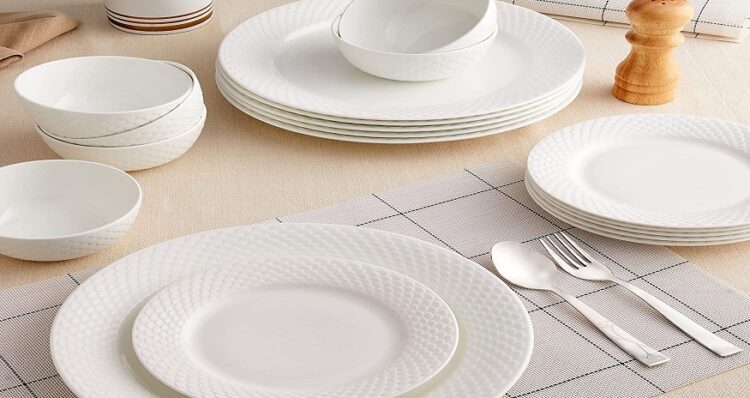
In restaurant settings for hotels, beauty and atmosphere of tableware dictate the way a guest has the full meal experience. White dining plates, for example, are an enduring option since they convey refinement and a neutral canvas upon which to serve food. But where hotels have a decision between porcelain and bone china dinner plates, the choice hinges on so much more than looks. It is more about durability, functionality, and use over a period of time in many different dining locations.
- What Makes Porcelain a Very Good Choice: Porcelain contains a higher content of kaolin, quartz, as well as feldspar. Porcelain is quite denser and heavier than bone china, thus feels more solid. It is less clear but does offer a silky and lustrous appearance which can endure high usage. Porcelain is made for day and night, and volume service in hotel buffets and banquet applications where strength and durability are not a compromise.
- How They Look on the Table: The color of bone china and porcelain can seem identical at first glance, but small variations are exposed by ideal lighting. Bone china has a warmer-looking off-white color that gives off a gentle glow, which establishes the rather formal dining setting. Porcelain is closer to a pure cold white, and it gives an eternally timeless and clean foundation for anything placed upon it. For hotels that value the delicacy of beauty, bone china expresses a sophisticated elegance, and porcelain has a robust and uncomplicated presence on any surface.
- Learning the Material and Construction of Bone China: Bone china is a light but thin-appearing ceramic material made by the mixture of bone ash with feldspar and kaolin. It is characterized by its creamy-white color and light weight. It is surprisingly hard despite its thin construction due to the presence of bone ash. The production process results in a breakable finish that is translucent and even to the touch, making bone china plates highly sought-after in the luxury dining environments. This specific combination of fragility and strength makes bone china stand out in luxury hospitality.
- Difference in Weight: Weight plays an important role when it comes to tableware, especially for the staff who shift heaps of plates daily. Bone china is much lighter, which makes it convenient to handle when setting and clearing tables. Porcelain, being heavier and of more substantial make, may add to the feeling of quality and durability to the guest, but at the expense of higher effort for repeated uses. The weight difference is relevant mostly in large gatherings or restaurants where hundreds of plates are moved and handled on a regular basis.
- The Aesthetics of Translucency: Translucency is a characteristic that is both definitional of bone china and that contributes to its image as sophisticated. If held against the light, bone china will transmit light, producing an almost glass-like appearance. Porcelain is quite opaque. Light is not transmitted at all. This may sound like a minor detail, but translucency adds a simple yet strong elegance to a plate, frequently being the go-to choice for formal dining rooms within luxury hotels.
- Fine Dining vs Buffet: Use Case Matters: Bone china stands out best in upscale restaurants and hotels. Its light-weight, dainty appearance, and fine texture are most suitable for gourmet service where presentation and customer perception count a great deal. Porcelain is more appropriate for buffet stations, conference gatherings, and all-day dining centers. Its ability to keep food hot allows it to retain heat and serve as a durable option for the fast-paced and heavy traffic areas of a hotel food and beverage service.
- Durability and Daily Handling in Hotels: Hotels require plates that can withstand repeated handling, washing, and stacking. Bone china is robust, but porcelain has durability. Vitrified porcelain, especially the grade that professional kitchens are equipped with, is designed to endure temperature shock and harsh handling. Steelite, for one, now carries high-performance porcelain ranges that are specifically made for the hotel industry. Its plates have years of life, even under the demands of everyday commercial use.
- Steelite Porcelain: Designed for Hotel Challenges: For hotels looking for strength and reliability in porcelain, Steelite is one of the most recognized names. Renowned for their vitrified porcelain, Steelite plates are specifically made for the hospitality sector. Their products are tested for thermal shock, stain resistance, and wash cycles. One of the high points of focus that sets Steelite apart is its edge chip warranty, which gives hotels confidence that the plates will be capable of performing under even the most extreme service pressures. This feature alone contributes to enormous cost savings in the long term.
- Choosing by Volume and Style: Volume of service should directly influence the plate material a hotel would choose. A hotel focused on quick turnovers, room service, or morning breakfast buffets should consider porcelain since it is easy to maintain and durable. Boutique hotels, resorts, or luxury establishments, however, that want to maximize customers’ experiences in terms of appearance and tactile experience may find bone china more appropriate. The right choice depends on the hotel brand identity and operational agenda.
- Wedgwood Bone China: A Class Apart: As soon as one hears of bone china utilized in premium hospitality, Wedgwood is the name that instantly pops up. Wedgwood bone china is actually world-famous owing to their excellent production. Their plates have intricate designs and also finishes that are capable of adorning even the most advanced dining space. Hotels wishing to leave a mark with traditional British elegance are seen to use Wedgwood’s bone china for VIP events, private dining, or signature restaurants. The marriage of strength and beauty in their tableware earns them a high-end positioning for refined presentations.
- Sustainability and Cost Considerations: Hotels today are also considering the cost and environmental sustainability of their buying. Porcelain, particularly when mass-produced, is more affordable than bone china. It has superior unit durability, or replacement rates. Bone china, being higher in cost, can be used as a luxury on the guest experience. The extra expense can be warranted in upscale facilities where guests anticipate more. But for most facilities, particularly those with very thin margins, porcelain is less expensive and more efficient.
In conclusion, no matter how much a hotel cares about durability or design, the choice of tableware is a business one that affects guest satisfaction and operational efficiency. For those looking to balance quality and performance, buying from a white porcelain plates Dubai supplier can be an ideal balance between value and reliability. Bone china versus porcelain is not merely material—it’s about balancing form and function in the heart of hotel dining.
Related Posts

Tips to Choose the Best Catering…
admin | November 18, 2024 | 0It may be both thrilling and difficult to plan an outdoor party, particularly when it comes to choosing the best caterer. The caliber and handling of the food service will…
How Can Online Shopping Enhance Your…
admin | April 30, 2024 | 0Both nutritious and delicious, not to forget, are the dry fruits like walnut kernels / AkhrotGiri. They have seen more consumers embracing the nutritional richness of dried fruits and their…