
Expert Tips for Applying Penetrating Oil Spray on Tight Fittings
admin | March 2, 2026 | 0 | Auto
17 Views
Tight fittings are a common challenge in mechanical work, automotive repair, plumbing maintenance, and industrial servicing. Over time, moisture, debris, heat, and pressure cause bolts, nuts, and threaded connections to seize. When corrosion sets in, even basic repairs can become frustrating and time consuming.
A penetrating oil spray is one of the most effective tools for loosening stubborn fittings. However, simply spraying and hoping for the best is rarely enough. The key to success lies in understanding how penetrating oil works and applying it correctly. This guide provides practical tips to help you get the most out of every application while minimizing the risk of damage.
Why Tight Fittings Become Difficult to Loosen
Before discussing technique, it is important to understand why fittings become tight in the first place. The primary culprit is corrosion. When metal is exposed to moisture and oxygen, oxidation occurs. Rust forms between mating surfaces and builds up inside threads. This increases friction and creates a mechanical bond that resists movement.
In addition to rust, dirt and debris can accumulate in threaded areas. High temperatures can also cause expansion and contraction, tightening connections further. Over tightened fasteners or long term exposure to outdoor elements make the problem even worse.
Using the best penetrating oil for rust helps address these issues by breaking down corrosion and reducing resistance between metal surfaces.
How Penetrating Oil Spray Works
A penetrating oil spray is formulated to seep into tight spaces between metal parts. Unlike thick grease or heavy lubricants, it has low viscosity, which allows it to flow into microscopic gaps. The spray delivery system ensures targeted application, even in hard to reach areas.
Once applied, the oil reduces surface tension and works its way into threads and joints. Many formulations contain rust loosening additives that weaken oxidation bonds. As the corrosion softens, friction decreases and the fitting becomes easier to turn.
Choosing the best penetrating oil for rust ensures faster results and better penetration in heavily corroded areas.
Tip One: Prepare the Surface Properly
Preparation is often overlooked, but it significantly improves effectiveness. Before applying penetrating oil spray, remove loose rust and debris from the fitting. A wire brush works well for cleaning exposed threads and bolt heads.
Clearing away surface buildup allows the oil to reach deeper into the joint. If dirt blocks the pathway, even high quality penetrating oil may struggle to penetrate effectively.
In automotive or industrial settings, make sure equipment is turned off and cooled before beginning work. Safety should always come first.
Tip Two: Target the Right Areas
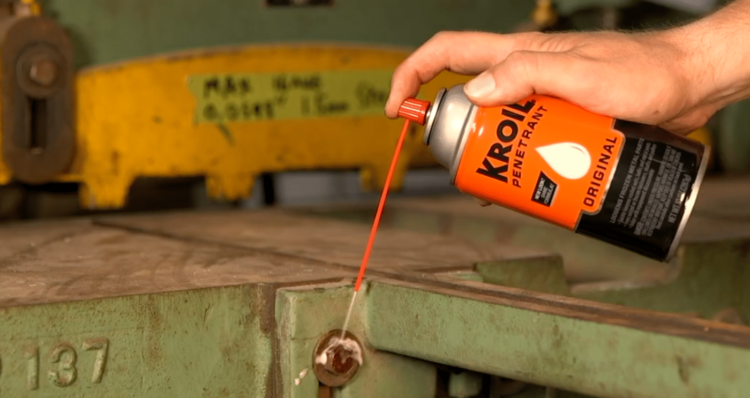
Effective application requires focusing on the correct points. Spray the penetrating oil directly where the fitting meets the surface. For bolts and nuts, this means the base of the bolt head and the seam where the threads enter the material.
Avoid random spraying. Precision improves results and reduces waste. Many penetrating oil spray products include narrow nozzles for controlled delivery. Use them to direct the oil exactly where it is needed.
Gravity can assist penetration. If possible, apply the spray from above so the liquid flows downward into the threads.
Tip Three: Allow Adequate Soaking Time
Patience is essential when dealing with tight fittings. One of the most common mistakes is attempting to loosen the connection immediately after spraying.
Light corrosion may respond within a few minutes, but heavy rust often requires extended soaking. Allow at least fifteen to thirty minutes for the penetrating oil spray to work. In severe cases, reapply and let it sit for several hours.
The best penetrating oil for rust needs time to travel into microscopic spaces and break down corrosion bonds. Rushing the process increases the risk of stripping threads or snapping the fitting.
Tip Four: Use Gentle Mechanical Assistance
After allowing the oil to soak, apply steady pressure with the appropriate tool. Use the correct size wrench or socket to avoid rounding edges.
If the fitting does not move, try gently tapping it with a hammer. Light vibrations help the oil penetrate deeper and may loosen the bond. Avoid heavy blows that could damage the component.
For extremely stubborn fittings, applying mild heat can expand the metal slightly and help break the corrosion seal. After heating, apply another round of penetrating oil spray as the cooling process may draw the liquid further into the threads.
Always use caution when combining heat and flammable materials. Ensure proper ventilation and follow safety guidelines.
Tip Five: Reapply When Necessary
Sometimes one application is not enough. Reapplying penetrating oil spray can significantly improve results, especially on older or heavily rusted connections.
Multiple light applications are often more effective than a single heavy spray. Each layer works progressively to weaken corrosion and reduce friction.
Consistency and patience are often the deciding factors between success and a broken bolt.
Choosing the Best Penetrating Oil for Rust
Not all penetrating oils are created equal. When selecting the best penetrating oil for rust, consider the following qualities:
Low viscosity for deep penetration
Strong rust dissolving properties
Moisture displacement capability
Compatibility with various metals
Ease of application in confined spaces
In industrial and outdoor environments where corrosion is severe, choosing a high performance formula can save significant time and effort.
Review product specifications and ensure the oil is suitable for the metals you are working with. Some materials, such as aluminum, require careful handling to avoid damage.
Common Mistakes to Avoid
Even experienced technicians can make errors when working with tight fittings. Avoid these common pitfalls:
Using excessive force before applying penetrating oil
Skipping cleaning steps before spraying
Failing to allow sufficient soaking time
Using incorrect tools that damage fittings
Ignoring safety precautions in enclosed spaces
Each mistake increases the risk of broken fasteners or damaged components. A careful, methodical approach produces better outcomes.
Safety Considerations When Using Penetrating Oil Spray
While penetrating oil spray is highly effective, it should be used responsibly. Many formulations are flammable and produce vapors during application.
Read More:WHEN SHOULD YOU CHOOSE MAINLAND OVER FREE ZONE?
Work in well ventilated areas and avoid open flames or sparks nearby. Wear gloves to prevent skin contact and safety glasses to protect your eyes from overspray.
After completing the task, wipe away excess oil to prevent slippery surfaces and reduce contamination risk.
Proper storage is also important. Keep the container sealed and stored in a cool, dry location away from heat sources.
Preventing Future Seizure
After successfully loosening a tight fitting, take steps to prevent the problem from returning. Clean threads thoroughly before reassembly and apply an appropriate protective lubricant if necessary.
Avoid over tightening fasteners, as excessive torque can increase stress and make future removal more difficult. Regular maintenance inspections can catch early signs of corrosion before fittings become fully seized.
Using penetrating oil spray as part of routine maintenance can help protect components and extend their lifespan.
When to Seek Professional Help
In some cases, fittings may be too severely damaged or corroded for safe removal. If a bolt begins to deform or feels close to snapping, it may be wise to consult a professional technician.
Read More:THE SECRET TO FINDING GREAT USED TRUCKS FOR SALE
Attempting removal without proper equipment can lead to more extensive damage and higher repair costs.
Conclusion
Applying penetrating oil spray correctly can transform a difficult repair into a manageable task. By understanding how penetrating oil works and following proven application techniques, you can loosen tight fittings without causing unnecessary damage.
Preparation, precise application, adequate soaking time, and controlled force are the keys to success. Selecting the best penetrating oil for rust ensures deeper penetration and faster results, particularly in heavily corroded environments.
With patience and proper technique, even stubborn fittings can be freed safely and efficiently. Mastering these tips not only saves time but also protects valuable equipment and extends the life of mechanical components.
Related Posts

Alkhail Transport’s Minivan Rentals: Comfortable Commutes…
admin | September 22, 2023 | 1Alkhail Transport is the leading provider of a range of vehicles for rent that cater to the transportation needs of individuals and businesses. With a wide range of vehicles, including…
F&I School: Empowering the Future of…
admin | July 22, 2023 | 1In the fast-paced world of automotive dealerships, the Finance and Insurance (F&I) department plays a crucial role in facilitating the vehicle buying process. F&I professionals are responsible for arranging financing,…